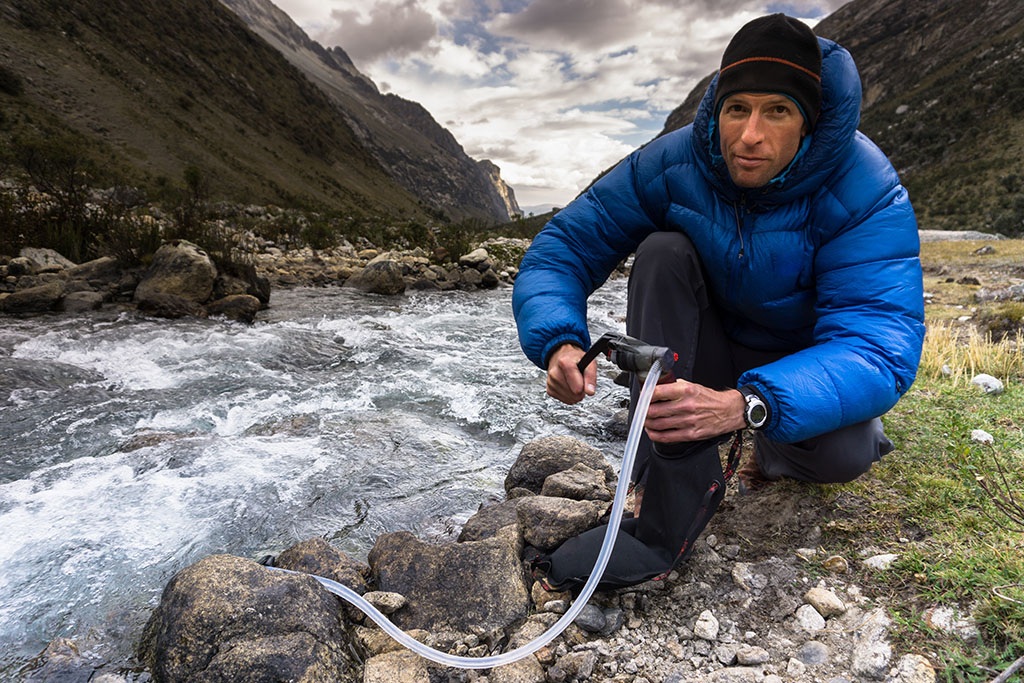
When you start on the Everest Base Camp trek, most likely you are entering one of the world’s highest and most isolated trekking trails. Starting from the point where you are standing in Kathmandu, and in all these villages located along your Everest Base Camp trek map, clean drinking water is not ensured. You can either take along water, spend money for boiled/bottled water, or purify the same. Picking the perfect water purification tablets can be a life-or-death decision – (not to sound so dramatic!) – but choosing the right one will obviously play into your overall health, comfort, and budget.
Given the total Everest Base Camp trek cost, your trek package length, and the risk of Everest Base Camp reaching altitude sickness, this is worth it! Regardless of whether you’re preparing for a Standard Everest Base Camp Trek from Kathmandu or the luxury of an Everest Base Camp Helicopter Return trek, what you need to know is that your water purification system will be reliable and convenient for your schedule.
Know the Water Problems on your Everest Base Camp Trek Trail
With your Everest Base Camp trek itinerary, you probably cross through villages, streams that get water from glaciers, and also stopovers at teahouses with dubious water quality. Many lodges, even here, certainly are going to charge you for boiled water, which will add to your Everest Base Camp trek cost, but you may still need to treat it. With dehydration more likely at altitude, and the chance for symptoms of Everest Base Camp trek altitude sickness to worsen with bad water quality, it’s important to make sure you’re drinking clean, safe water. So your plan needs to incorporate a way of purifying that’s as friendly to the environment, the area you’re i, and life on the trail as possible. A good pair of water purification tablets is light, small, and easy to pack into your backpack across the altitudes covered on your Everest Base Camp trek maps, and serves for rest days, acclimatization, and tough stretches of trail.
How to Choose Water Purification Tablets for Your Everest Trek
When choosing the best water purification tablets to take on your hike or trek, consider their active ingredient(s), treatment time frame, how effective it is in eradicating bacteria and viruses/ protozoa, taste, weight( when added to that of having purified water versus boiled), shelf life, and convenience. Some tablets employ chemicals based on chlorine, others rely on iodine or chlorine dioxide. Guides suggest bringing tablets even if you plan to boil the water or use filters — because at or near those altitudes, you might want a backup. On the EBC trek with a local agency, your guide will recommend what they have en route and is reliable. A powerful purification tablet should even work in cold, high‑altitude conditions, and the issue of Everest Base Camp trek altitude sickness is likely to be solved by default as you maintain constant access to safe water.
Common Types of Tablets and How They Affect Your Everest Base Camp Trek Package
Chlorine or iodine tablets are readily available in trekking stores in Kathmandu or Namche and can also be included while booking your Everest Base Camp trek. Chlorine-based tablets (such as sodium dichloroisocyanurate) are effective against bacteria and most viruses, but time is needed for protozoans. Iodine tablets have been the standard, but are not as good for some cysts and may leave an aftertaste. The best type is about your water sources—glacial streams might be clear but freezing; guesthouses at lower elevations tend to have less-than-perfect drinking water (and may also pipe in some for a fee), you may not find potable water at high camps. Previous trekkers to the Everest Base Camp trek 2025 have found that tablets are lighter and pack more easily than filters in their small bags or day-packs, and that they complement purification techniques, such as boiling or filtering.
Choosing Your Tablets for Your Trek Conditions and the Best Time to Trek
Timing matters in your guidance. If you are hiking all through the Everest Base Camp first-rate time of year, together with the pre‑monsoon (spring) or post-monsoon (autumn) hiking season, water is much more likely to be available, and there can be extra amenities at teahouses. However, even then, on your Everest Base Camp trek from the Kathmandu trail, there may be camps only with basic facilities, and the water can also be icy or need purifying. Let your choice of tablet be guided by the fact that you might be purifying cold water. Keep in mind that cold water decreases tablets’ chemical reaction times, so opt for a brand of tablets that indicates the ability to work in low temperatures. Asking your Everest Base Camp trek guide for tablet recommendations is one of the best Everest Base Camp trek tips. Also, think about the cost of your Everest Base Camp trek — a lot of budget-conscious tours may not have the top-end tabs, and you might want to take your own.
Including Purification Tablets In Your Equipment And Hydration Plan
Your hydration strategy for the Everest Base Camp trek should entail each member packing a minimum of two to four liters per day, and filling up at lodges or rivers indicated in your map of the Everest Base Camp trek, or treating with purification tablets. Water, then that’s obviously less expensive (not to mention healthier). If you opt for tablets, you should take the same or bigger dosage for the entire length of your trek in a complete Everest Base Camp trek package, and some extra if anything goes wrong. Keep the tablets in a waterproof container, labeled and handy. Your guide, or local agency if you’re doing a trek on your own, will tell you where to refill and how to treat water in a time-efficient manner before eating or climbing. Hydrating also lowers the risk of getting Everest Base Camp trek height sickness, and is one of the key Everest Base Camp trek tips you will receive. Ensure that you get them from a reliable manufacturer and have a long shelf‑life. Don’t wait to test out using them.
Safety During Trek and Necessary Precautions
But even with tablets, not all the water you find is safe. Certain sources may be impregnated with glacial silt, stagnant, or harbor viruses that tablets won’t neutralize. For instance, if you’re in very turbid water or cold-perhaps even both-you might need to increase the dosage or use an alternate method like boiling or filtering. That’s why, for some tablets, I’m glad we have the unpleasantness of it covered up (and then some) with electrolyte powders. You need to have a Plan B. While you prepare for your Everest Base Camp helicopter return trek, or ascend to remote high camps, water purification failure equals purchasing expensive, untreated bottled water, adding to your overall Everest Base Camp trek cost. Your guide is essential for pointing out safe water sources and monitoring your health for altitude sickness or dehydration. My advice: always carry the tablets and know how to use them, and don’t make any deals.
Final Thoughts: Hydrate Safely For An Unforgettable Trek To Everest, Without Getting Sick!
Choosing the best water purification tablets is another important part of planning your Everest Base Camp trek. When you have a good Everest Base Camp trek itinerary, combined with chatting at length with a professional guide for the Everest Base Camp trek, and when you book through an established Everest Base Camp trek with a local agency, you lower your risk and increase your peace of mind. Include the tablets as part of your gear list along with Everest Base Camp trek permits, implementation of acclimatization, and altitude awareness.
Your hydration plan helps to ensure your safe arrival at Base Camp, cuts down the risk of Everest Base Camp trek altitude sickness, and provides an enjoyable journey free of any hassles. Whether you sign on with the typical Kathmandu trek or embark on your own Everest Base Camp helicopter return trek, paying attention to safe water by way of the right tablets allows you to enjoy those Himalayan views instead of being sidetracked by illness or logistics. By spending time and money on quality tablets and learning to use them in high altitudes, you can give yourself a huge chance for a successful once-in-a-lifetime adventure to the foot of the world’s highest mountain.